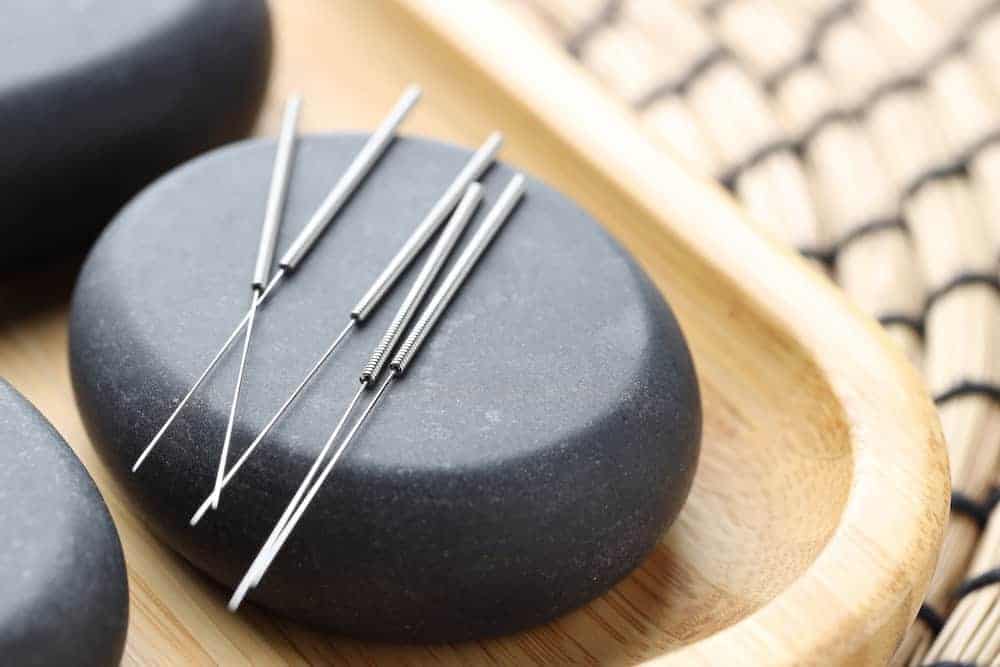
The Complete Guide to Acupuncture: Benefits, Costs, and How It Works
The idea of letting someone stick needles into you voluntarily might sound strange. Yet, Acupuncture is one of the oldest and most popular healing practices in the world.
Whether you are dealing with chronic back pain or just looking to de-stress, here is the honest truth about how those tiny needles work.
Does Acupuncture Actually Work?
Yes. While it was once considered “fringe” in the West, it is now widely accepted. Organizations like the World Health Organization (WHO) and the National Institutes of Health (NIH) recognize acupuncture as effective for treating various conditions, particularly pain.
Why Does It Work? (The Two Theories)
There are two ways to explain the mechanics, depending on who you ask.
1. The Traditional View (Qi) In Traditional Chinese Medicine (TCM), your health depends on the smooth flow of energy, known as Qi, through channels called meridians. When this flow gets blocked (like a dam in a river), you get sick or feel pain. The needles break up the blockage and restore the flow.
2. The Scientific View (Nerves) Western medicine believes the needles stimulate the central nervous system.
- Endorphins: The needle insertion triggers the body to release natural painkillers.
- Blood Flow: It increases circulation to the specific area, which speeds up healing.
- Cortisol: It regulates the body’s stress response.

What Are Acupuncture Points?
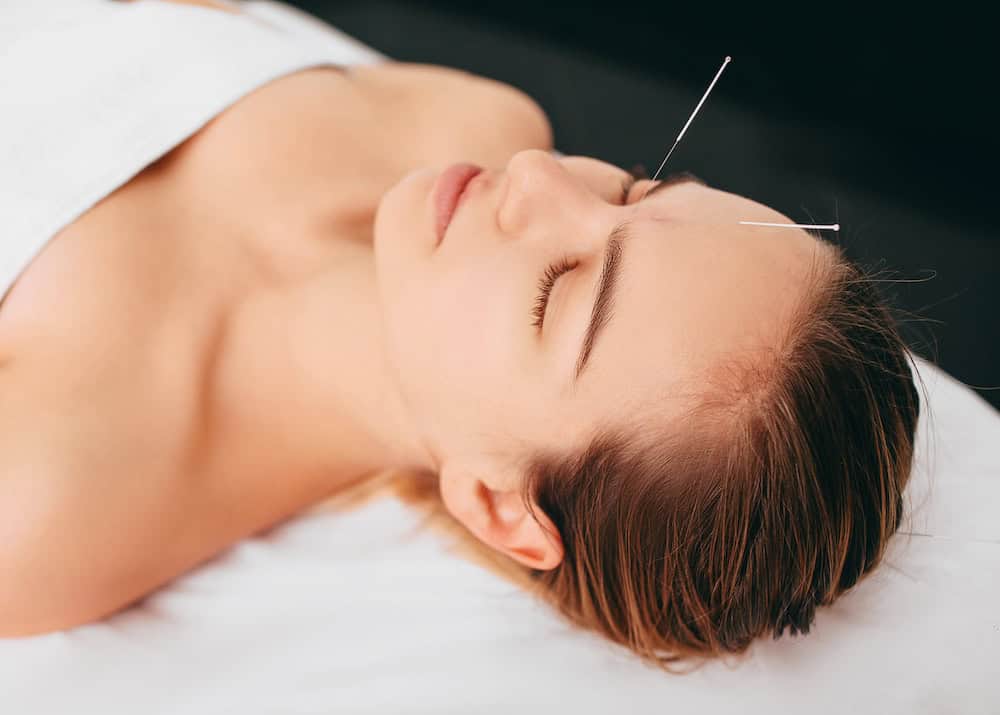
Acupuncturists do not just place needles randomly. They use a specific map of the body. There are over 2,000 specific points on the human body connected by meridians. Each point has a different function.
Example: A point on your hand (Large Intestine 4) is often used to treat headaches or toothaches. A point on your foot might be used to treat liver issues.
The Top Benefits: What Does It Treat?
People most commonly seek acupuncture for:
- Chronic Pain: Lower back pain, neck tension, and knee pain.
- Headaches: Migraines and tension headaches.
- Mental Health: Anxiety, depression, and insomnia.
- Women’s Health: Menstrual cramps, fertility support, and menopause symptoms.
- Digestive Issues: IBS and nausea (especially from chemotherapy).
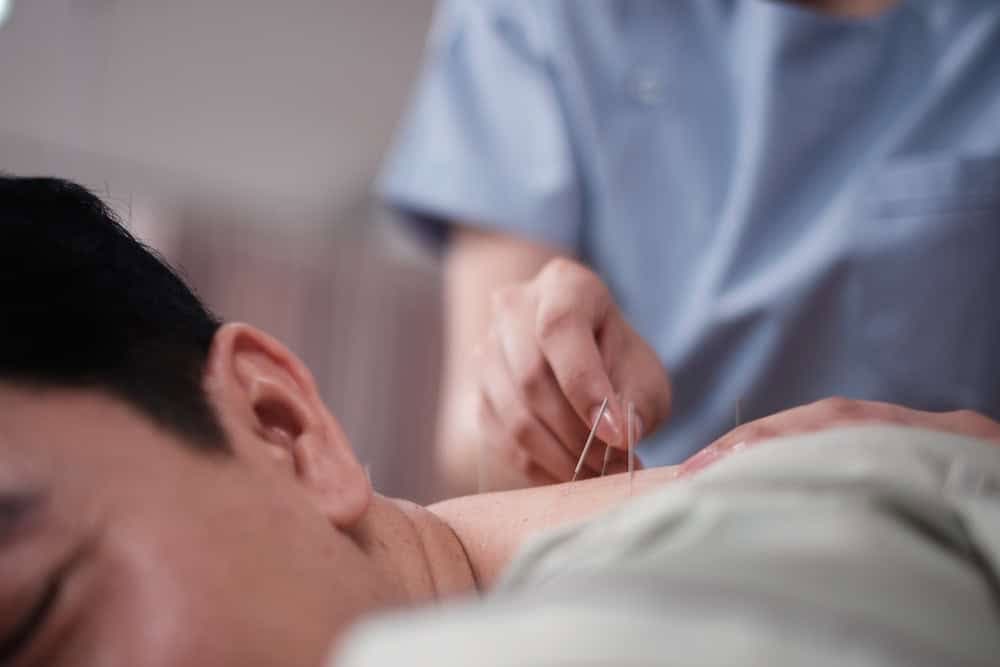
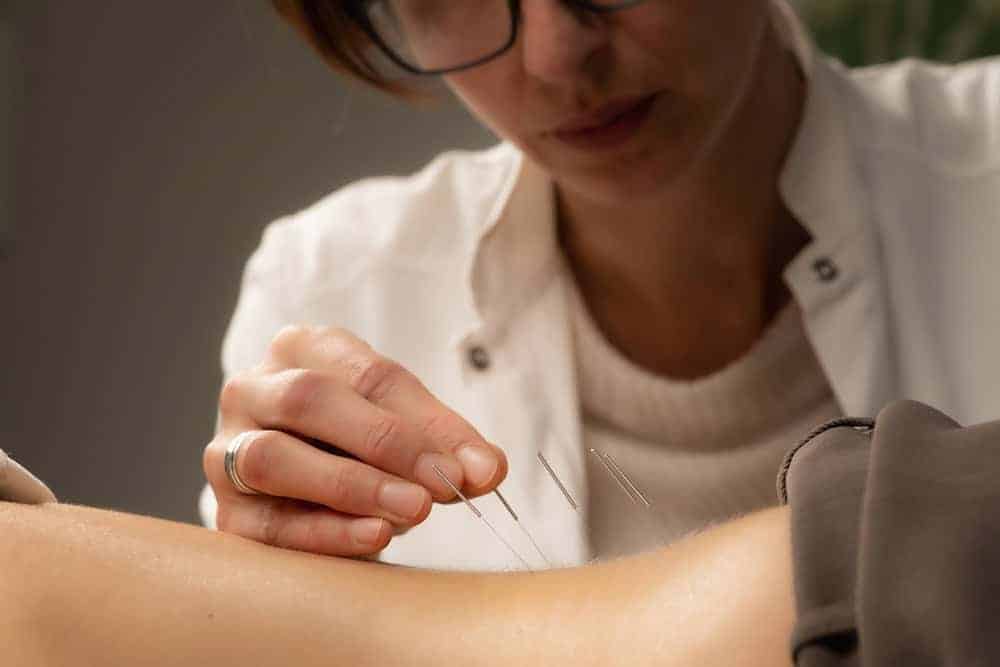
Treatment by Acupuncture: What Happens?
If you are nervous, do not worry. The process is very calm.
- Consultation: The practitioner will look at your tongue, check your pulse, and ask about your symptoms.
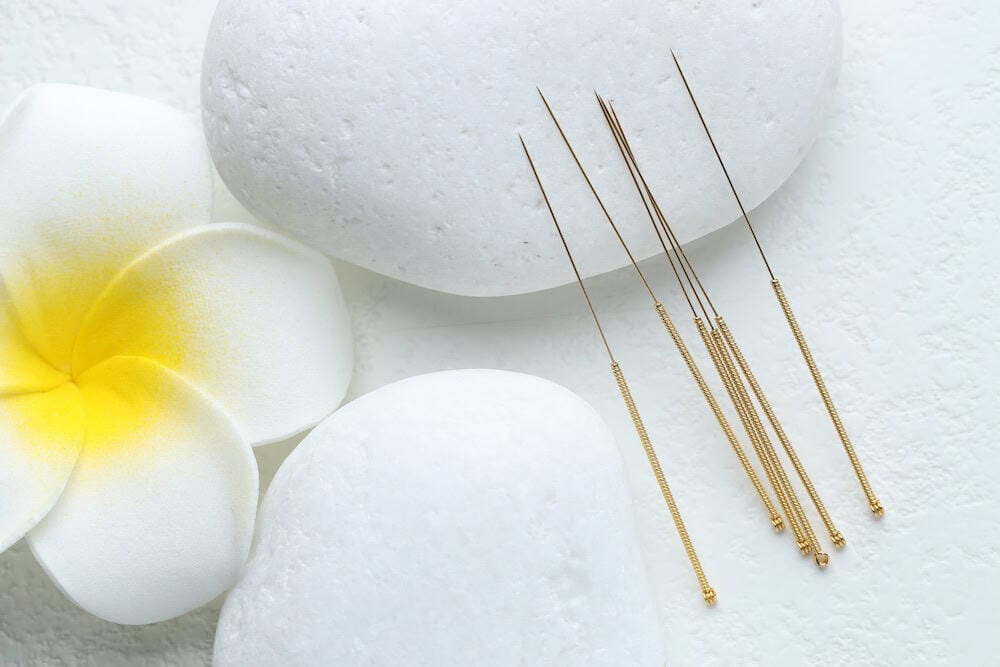
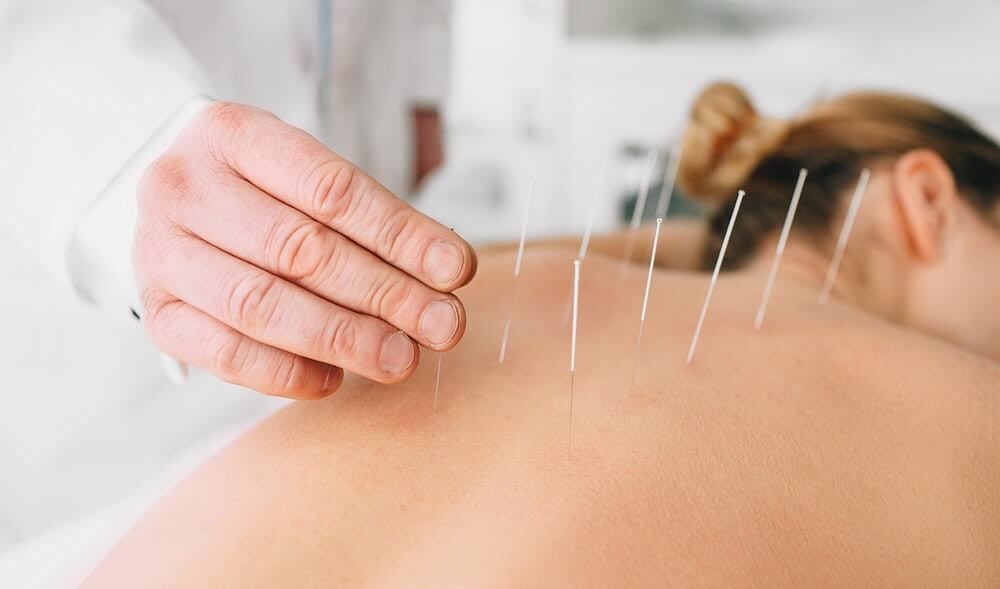
- Insertion: You lie on a table. The practitioner inserts sterile, hair-thin needles. Most people feel a tiny prick or nothing at all.
- The “Qi” Sensation: You might feel a dull ache, heaviness, or tingling. This is considered a good sign that the energy has been accessed.
- Rest: You lie still for 20 to 40 minutes, often with dim lights and soft music. Many people fall asleep.
Acupuncture Prices
Costs vary depending on where you live and the practitioner’s experience.
- Insurance: Many health insurance plans now cover acupuncture for pain management, so always check your policy first.
- Private Session: $75 to $150 per visit. The initial consultation is usually more expensive ($100 to $200).
- Community Acupuncture: $25 to $50 per visit. In these clinics, treatment happens in a large room with other patients (fully clothed in recliner chairs), allowing the cost to be much lower.