Restoring Balance: A Warm Welcome to Energy Healing
Have you ever walked into a room and immediately felt the atmosphere shift, or met someone who instantly made you feel calm? This is your intuitive perception of energy. While we often prioritise our physical health through nutrition and exercise, there is a subtle yet powerful energetic system that underpins our entire existence.
Energy healing is a gentle, restorative practice that acknowledges this invisible life force and works to harmonise it for optimal health and vitality.


What Is Energy Healing?
Energy healing is a holistic practice that activates the body’s subtle energy systems to remove blocks and stimulate the body’s inherent ability to heal itself. By breaking through these energetic blockages, the body’s inherent ability to heal itself is stimulated.
Concepts of a vital life force energy have existed for thousands of years across vastly different cultures. You might hear it referred to as “Qi” in Traditional Chinese Medicine, “Prana” in Ayurvedic traditions of India, or simply “Biofield” in more modern scientific contexts. Despite the different names, the core understanding remains the same: there is a vital flow of energy that sustains all living things.
How Energy Healing Works
To understand how energy healing works, it helps to look at the world through the lens of physics. Everything in the universe is composed of molecules that are vibrating at various frequencies. Even solid objects like a chair or the human body are constantly vibrating at the atomic level. When we are in a state of high vibration, we feel healthy and happy. Conversely, illness and stress can be viewed as “low vibration” states or dissonance within the body’s frequency. Energy healing works on the principle of resonance and entrainment.
During a session, an energy healer acts as a tuning fork for the client. By holding a high, stable frequency or channelling universal life force energy, the practitioner helps the client’s energy field “entrain” or synchronise with this higher vibration. It is similar to how a river flows. If a rock falls into a stream, the water flows around it, but eventually, debris builds up and creates a blockage that slows the flow upstream and creates turbulence. Energy healing techniques work to gently remove these “energetic rocks” or blockages. This clears the pathways, often referred to as meridians or chakras, allowing the life force to circulate freely once again. This restoration of flow triggers the parasympathetic nervous system, shifting the body out of “fight or flight” mode and into “rest and digest” mode, which is the only state where deep biological repair and regeneration can occur.

Benefits of Energy Healing
The benefits of energy healing extend far beyond simple relaxation. By addressing root energetic imbalances rather than merely suppressing symptoms, this practice creates positive ripples throughout your entire life.
- Deep Relaxation: The most immediate effect is often a profound sense of peace. Energy healing calms the nervous system and lowers stress hormones, helping to alleviate anxiety and burnout.
- Physical Recovery: Restoring energy flow supports the body’s natural repair mechanisms. Many clients experience faster recovery from injuries, surgery, and reduced inflammation.
- Emotional Balance: Unprocessed emotions stored in the body can be gently released, helping to clear old trauma or grief without the need to verbally relive difficult experiences.
- Restorative Sleep: By quieting an overactive mind, regular sessions can help resolve sleep issues and promote deeper, more rejuvenating rest.
- Mental Clarity: As energetic fog lifts, you may notice sharper focus, improved intuition, and a renewed sense of purpose.
What to Expect in an Energy Healing Session
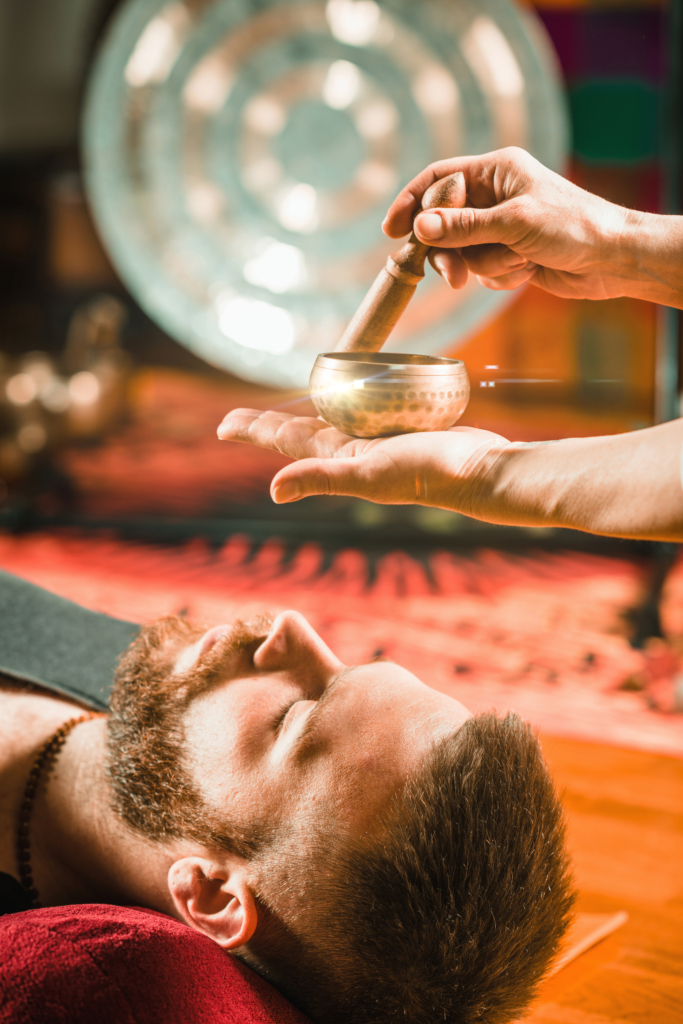
Walking into your first energy healing session can feel a little mysterious, but the process is generally very gentle, safe, and non-invasive. A typical session begins with a brief consultation where the practitioner will discuss your current state of health, your intentions for the session, and any specific issues you wish to address. You will remain fully clothed throughout the session, usually lying comfortably on a massage table with blankets and pillows for warmth and support. The environment is curated to be a sanctuary, often featuring soft lighting and a quiet atmosphere to encourage relaxation.
Once the session begins, the practitioner will use their hands to scan and manipulate your energy field. Depending on the modality (like Reiki), this may involve a light, non-intrusive touch on specific points of the body, or their hands may hover slightly above you. You do not need to “do” anything other than close your eyes and breathe. Sensations vary wildly from person to person. You might feel a pleasant heat radiating from the practitioner’s hands, a gentle tingling sensation moving through your limbs, or perhaps a feeling of heaviness as you sink into deep relaxation. Some people see colours behind their closed eyes or experience sudden emotional releases. Others may simply fall asleep, which is perfectly fine and does not reduce the effectiveness of the treatment. After the session, you will be given time to slowly come back to alertness, often followed by a glass of water to help ground you.


How Often Should You Have Energy Healing Sessions?
There is no set rule for session frequency; it largely depends on your goals. Much like exercise or meditation, consistency often yields the best results.
For acute issues such as injury or grief, weekly sessions can help create a significant shift and build momentum. Once immediate concerns settle, a “tune-up” every four to six weeks is ideal. This monthly rhythm helps clear accumulated stress before it causes deeper imbalances.
Some individuals choose fortnightly sessions to accelerate personal growth. Ultimately, the best approach is to listen to your body. You will likely learn to recognise signs of sluggishness or scattered energy, indicating it is time for your next appointment.
Choosing an Energy Healing Practitioner
Finding the right practitioner is a crucial step in your healing journey, as the rapport and trust between you and the healer play a significant role in the outcome of the sessions. Since energy healing in Australia is not regulated in the same way as medicine or psychology, doing a little research is important.
Start by looking for practitioners who are members of recognised professional associations, such as the Australian Reiki Connection or similar bodies for other modalities. These memberships usually ensure that the practitioner has agreed to a code of ethics and has verifiable training.

Is Energy Healing Recommended for Everyone?
One of the most beautiful aspects of energy healing is its universality and safety. Because it is non-invasive and works with the body’s natural systems, it is generally considered safe for people of all ages, from newborns to the elderly, and even pets.
It acts as a complementary therapy, meaning it works beautifully alongside conventional medical treatments rather than conflicting with them. For example, cancer patients often use energy healing to manage the side effects of chemotherapy, and it is frequently used to support recovery after surgery.
However, there are a few practical precautions to consider. While energy healing is safe, it is important to communicate your health history to your practitioner. If you have a pacemaker or other electrical medical implants, you must inform the practitioner, especially if they use magnets or specific sound tools alongside the energy work.
Is Energy Healing Right for You?
Deciding to try energy healing is often an intuitive choice. You might be feeling “stuck” in a way that logic and traditional solutions haven’t been able to shift. Perhaps you have been feeling physically drained despite good sleep, or you are carrying an emotional weight that you are ready to put down.
If you are open-minded and curious about the connection between your mind, body, and spirit, then energy healing is likely a wonderful fit for you. It requires a certain willingness to surrender control and trust the process, so it is best suited for those who are ready to take an active, albeit gentle, role in their own wellbeing.