A Gentle Healing Practice for Mind, Body and Spirit
In a world of fast-paced living and constant stimulation, many people are turning to holistic and energy-based practices to help them slow down, reconnect, and restore balance.
One such practice that has increased dramatically in popularity is Reiki. This gentle, non-invasive healing modality works with the body’s natural energy system to promote wellness on every level: physical, emotional, mental, and spiritual.
What Is Reiki?
Reiki (pronounced ray-key) is an energy healing technique that originated in Japan in the early 20th century.
The word itself comes from two Japanese words: Rei, meaning “universal life,” and Ki, meaning “energy.” Together, Reiki translates to “universal life force energy,” which reflects the practice’s core philosophy, being that a subtle, vital energy flows through all living things, and that disruptions or imbalances in this energy can lead to discomfort or dis-ease.
Reiki was developed by a Japanese Buddhist named Mikao Usui after a deep spiritual experience. Usui’s teachings were passed down through generations of Reiki Masters and eventually made their way to the West. Today, Reiki is practised globally and recognised for its gentle yet powerful healing effects.
How Reiki Works
At its heart, Reiki operates on the belief that energy flows through the body along pathways (some compare this to meridians or chakras in other traditions). When this energy is blocked, depleted, or unbalanced, it can manifest as emotional distress, physical symptoms, or spiritual disconnect.
Reiki practitioners are trained to channel universal energy through their hands, helping to clear blockages, support the body’s natural healing processes, and restore harmony.
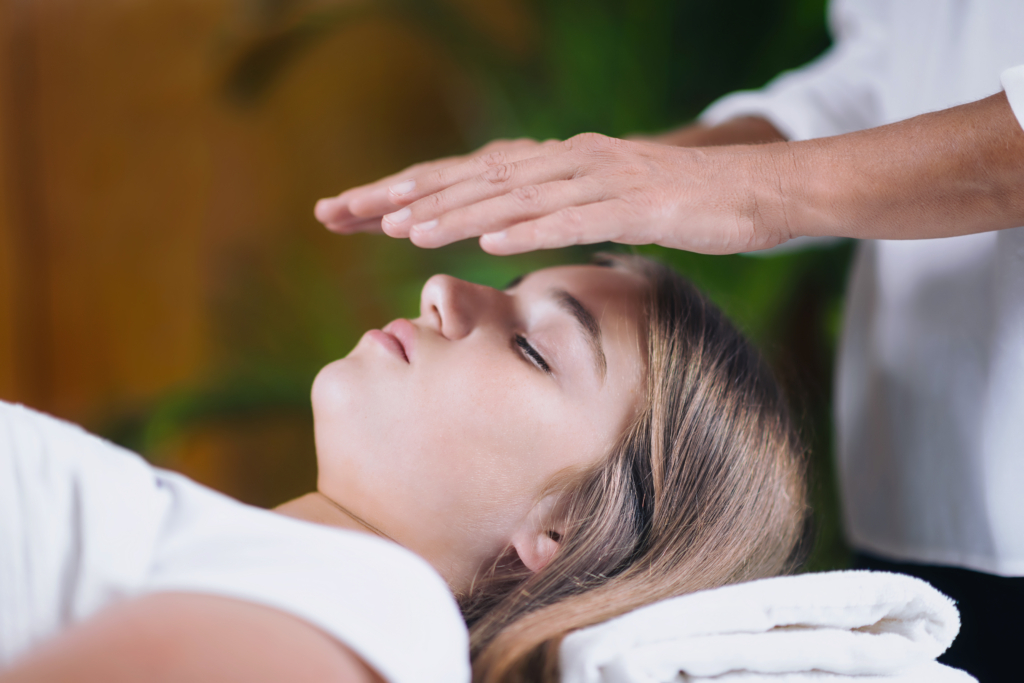
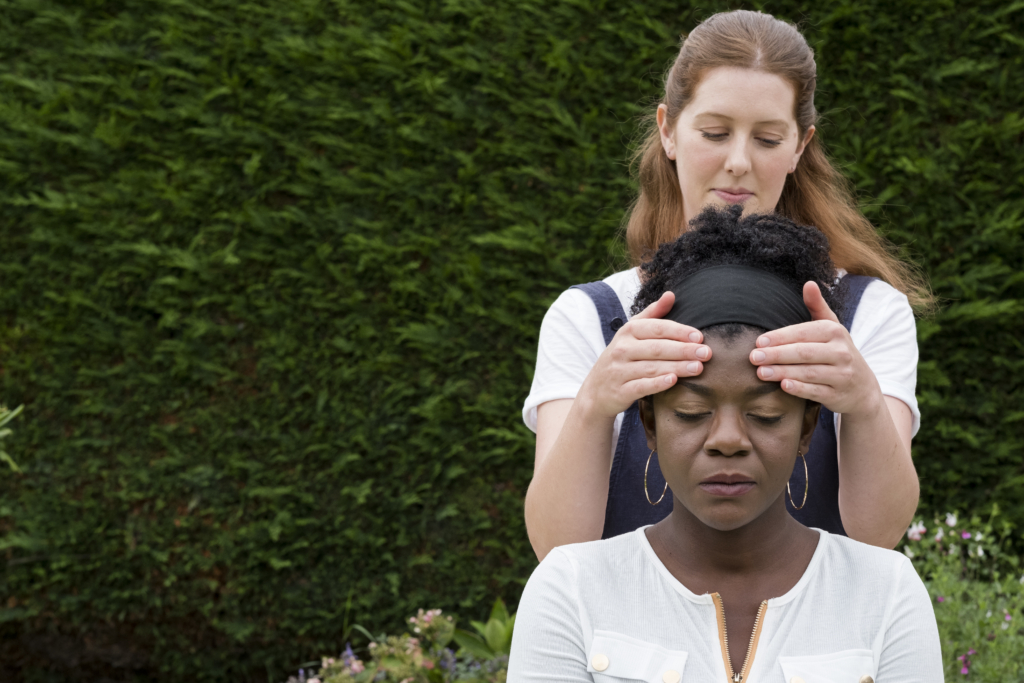
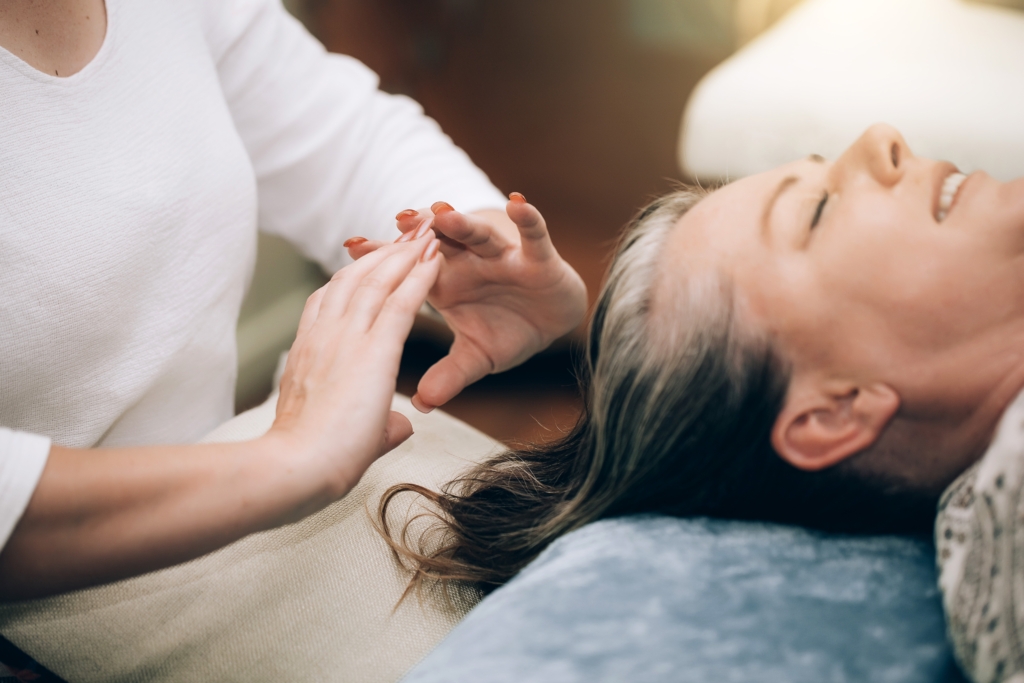
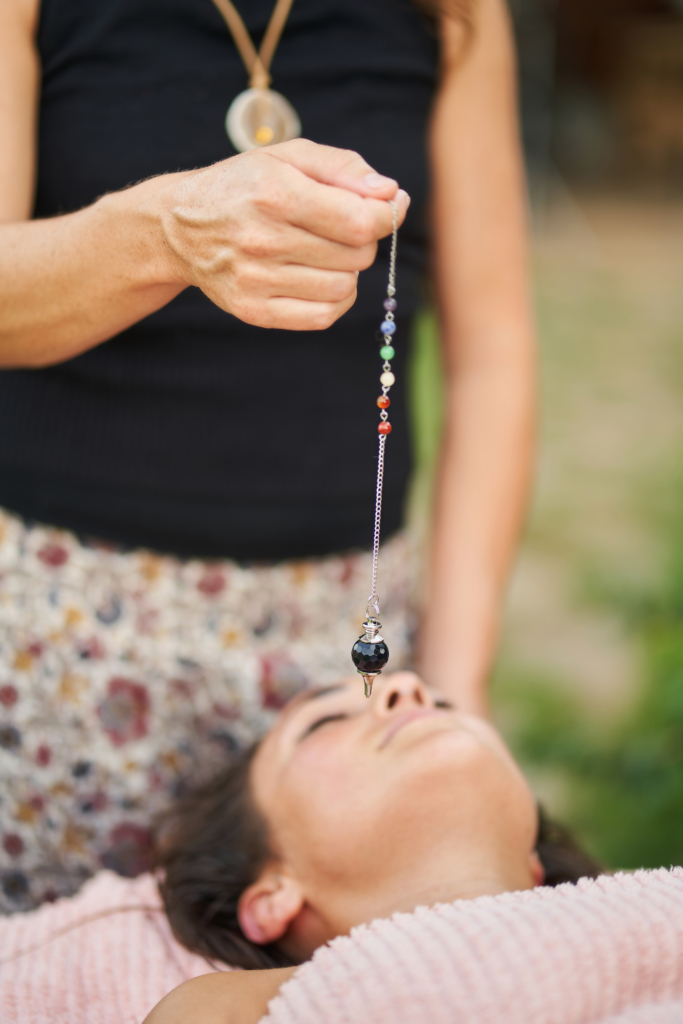
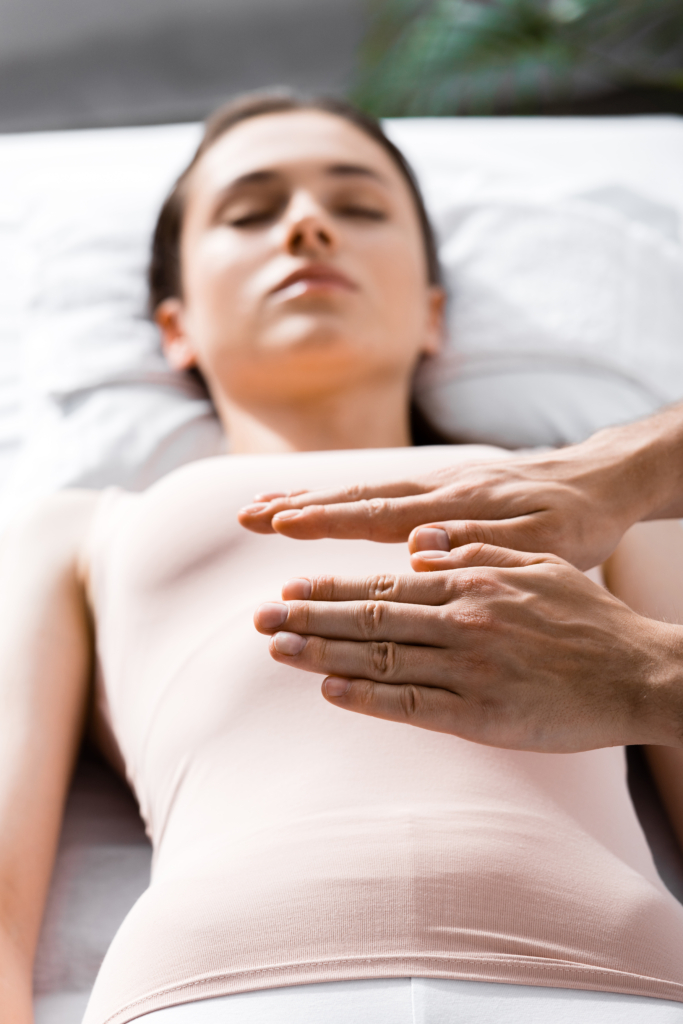
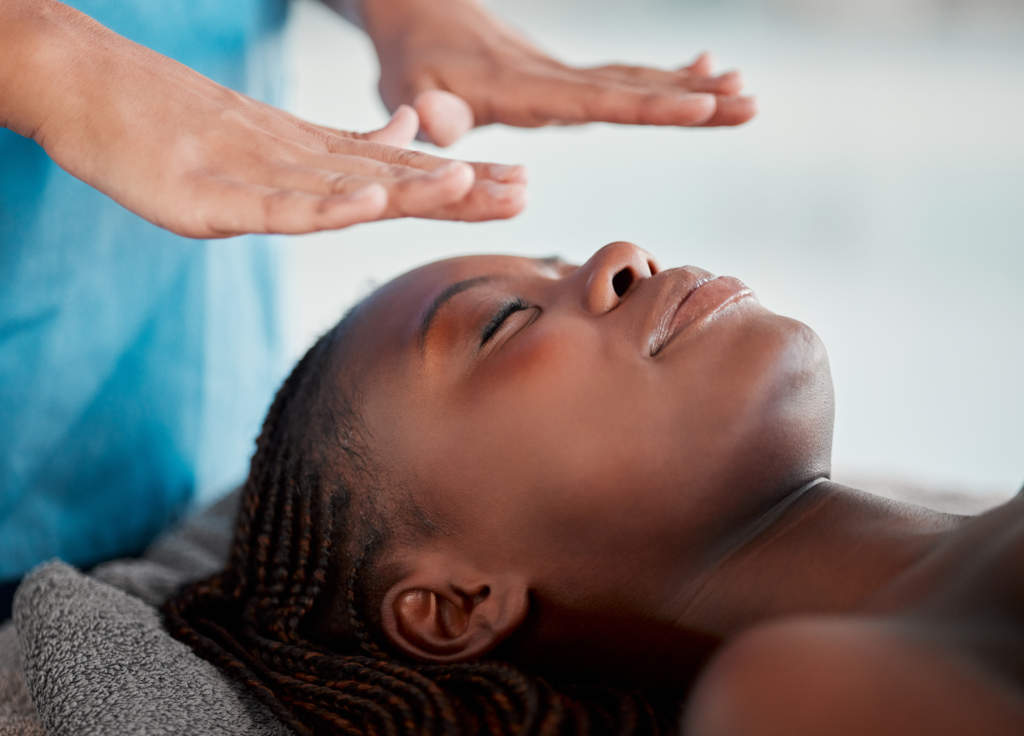
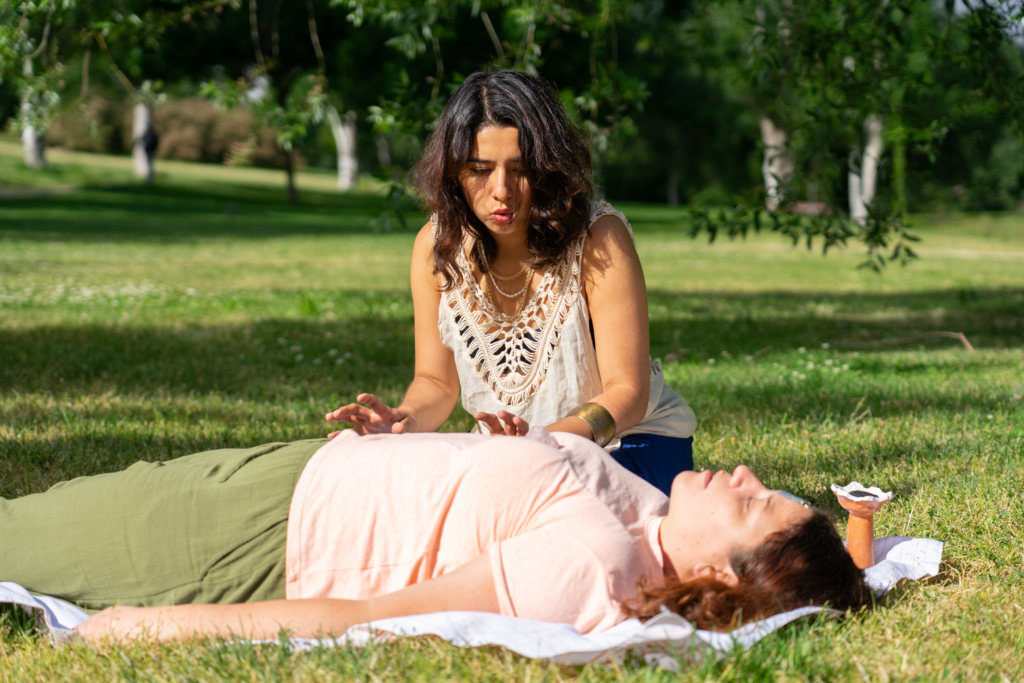
Unlike massage or other bodywork modalities, Reiki doesn’t require physical manipulation. The practitioner either lightly places their hands on or just above specific areas of the client’s body, often moving intuitively or following a set sequence. What makes Reiki particularly unique is its adaptability: sessions can be performed in-person or from a distance, with equally profound effects.
Benefits Of Reiki
Many people seek Reiki for its calming, grounding qualities, but its benefits often go much deeper. Some commonly reported outcomes include:
- A deep sense of relaxation and inner peace
- Relief from stress, anxiety, or overwhelm
- Improved sleep and mental clarity
- Emotional release or lightness
- Reduction in physical tension or discomfort
- A stronger connection to one’s intuition or inner guidance
Reiki is often used alongside conventional or complementary therapies to support healing from chronic illness, emotional trauma, surgery recovery, burnout, or even grief. It can be particularly helpful for people navigating life transitions or those who simply feel “stuck” energetically or emotionally.
While scientific research into Reiki is still growing, there is a growing body of anecdotal evidence (and even some promising studies) that suggest Reiki may help lower blood pressure, reduce pain, improve quality of life for cancer patients, and enhance mood and wellbeing.
What to Expect in a Reiki Session
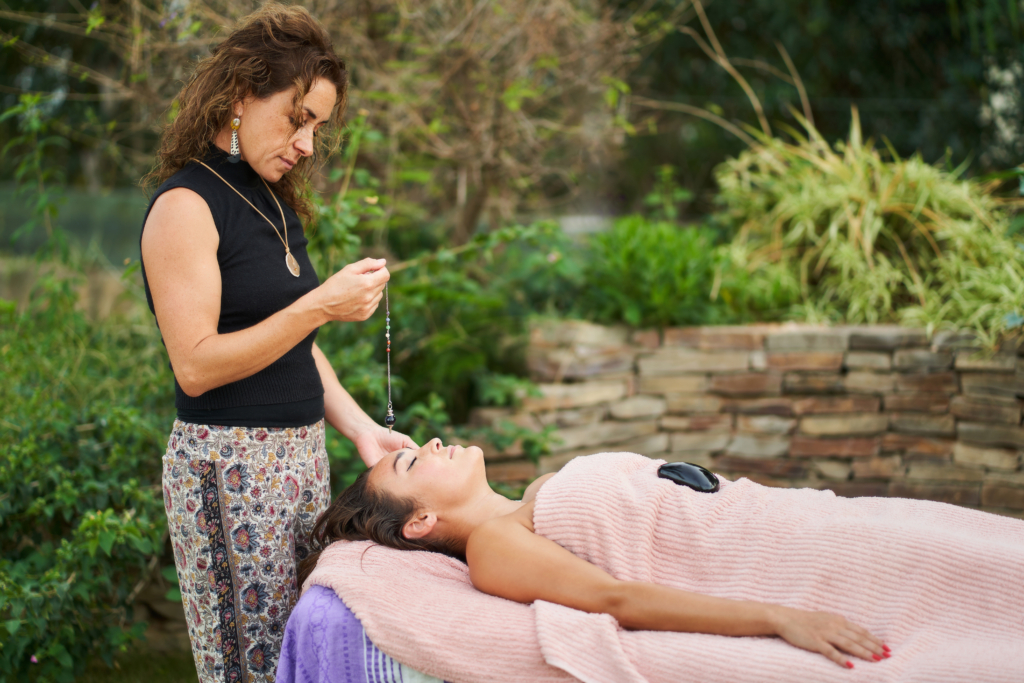
A typical Reiki session takes place in a peaceful, private space. You’ll remain fully clothed, lying comfortably on a massage table or seated in a chair. The practitioner may begin with a brief chat to check in with how you’re feeling or what you’re hoping to focus on.
During the session, the practitioner will place their hands lightly on or just above different parts of your body. They will often start at the head and working down toward the feet. There’s no need to do anything other than relax and receive.
Sessions generally last between 45 minutes to an hour, although shorter or longer appointments are sometimes offered. You don’t need to bring anything or prepare in any special way — just wear comfortable clothing and arrive with an open mind.
People often report feeling warmth, tingling, emotional release, or even seeing colours or visions during a session. Others may feel nothing specific but notice a deep calm or clarity afterwards. The effects can be subtle or quite profound, depending on what your body and energy are ready for.
How Often Should You Have Reiki?
While a single Reiki session can be incredibly soothing, many people choose to return for regular sessions. This might especially be when working through a particular issue or during stressful periods of life. Some clients come weekly, others monthly, and some just as needed. Your practitioner can help you determine what frequency may best support your needs.
Reiki can also be used in conjunction with other therapies, including counselling, physiotherapy, naturopathy, acupuncture, or medical treatments. It’s not meant to replace medical care but to complement and support the body’s natural healing capabilities.
Choosing a Reiki Practitioner
Reiki is an unregulated industry in many countries, so it’s important to choose a practitioner who has received proper training and is committed to ethical practice. Many Reiki practitioners are certified through lineage-based systems (often completing Reiki Level I, II, and Master training) and may be members of professional associations such as the Reiki Association or the International Association of Reiki Professionals (IARP).
When choosing a practitioner, trust your intuition. Look for someone who is warm, grounded, and able to hold space for your healing. It’s also wise to check for testimonials, training background, and whether they have experience working with your particular concerns.
Is Reiki Safe for Everyone?
One of Reiki’s greatest strengths is its gentle, non-invasive nature, making it suitable for a wide range of people including children, the elderly, pregnant women, and those with chronic conditions. Since Reiki doesn’t involve medication or manipulation, there are few risks or contraindications.
That said, Reiki should not be used instead of medical treatment for serious or life-threatening conditions. Rather, it’s a supportive tool that works well alongside conventional care. If you’re unsure whether Reiki is appropriate for your situation, speak to your healthcare provider or the Reiki practitioner in advance.
Is Reiki Right for You?
If you’ve ever felt drained, anxious, or disconnected and you’re looking for a gentle, holistic way to feel more balanced, Reiki may be worth exploring. You don’t need to “believe in it” for it to work. Many clients come out of curiosity and are surprised by the sense of peace or clarity they feel afterward.
As with any healing practice, results can vary from person to person. Some people notice a shift after a single session, while others find the effects build over time. Whether you’re seeking relief, insight, or simply time to slow down and reconnect with yourself, Reiki offers a supportive space to do just that.