Tune into Wellness: A Warm Welcome to Sound Healing
Have you ever felt your mood instantly shift when hearing a favourite song, or noticed how the sound of ocean waves calms your busy mind? This isn’t just a coincidence; it is the profound power of sound affecting your body and spirit. Sound healing takes this natural phenomenon and transforms it into a therapeutic practice that is gaining recognition worldwide for its ability to promote deep relaxation and reduce stress.
In this guide, we will explore the essentials of sound healing. It is a gentle yet powerful modality that uses vibration to help restore balance to your life. Whether you are feeling overwhelmed by modern life or simply curious about new ways to support your wellbeing, sound healing offers a beautiful pathway to tranquility. Let’s explore how these therapeutic vibrations can help you tune into a healthier, happier you.
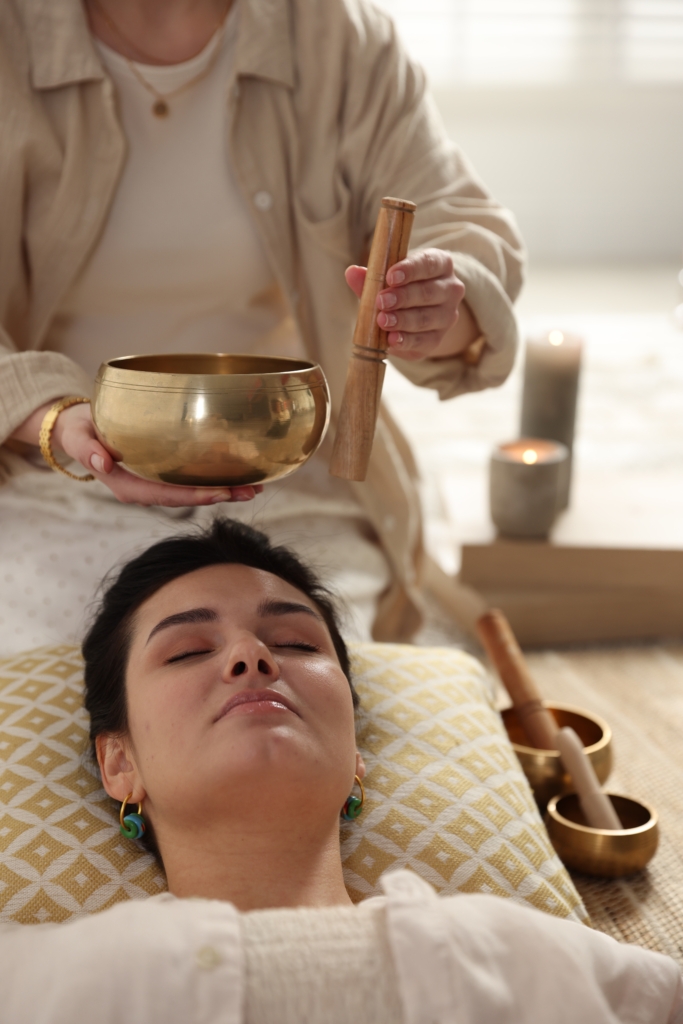
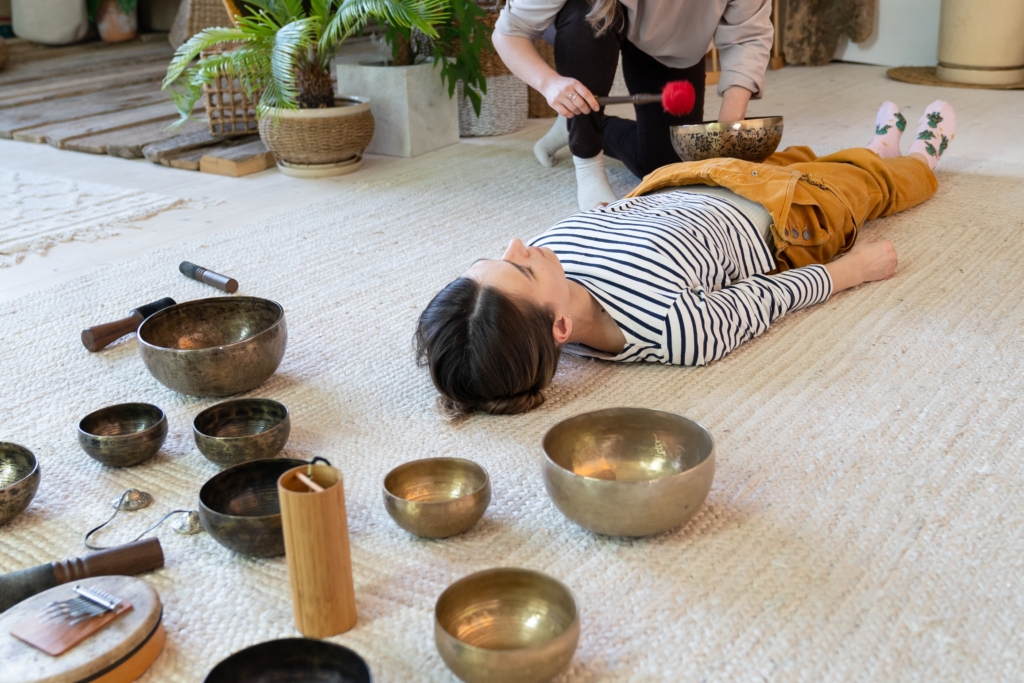
What Is Sound Healing?
Sound healing is a holistic practice that uses specific sound vibrations to bring harmony to the mind, body, and spirit. Unlike simply listening to music for entertainment, this therapy involves the intentional use of calibrated frequencies to promote deep restoration. It operates on the principle that everything in the universe, including our bodies, is in a state of vibration. When we are stressed or unwell, our natural vibrations can become discordant or “out of tune.”
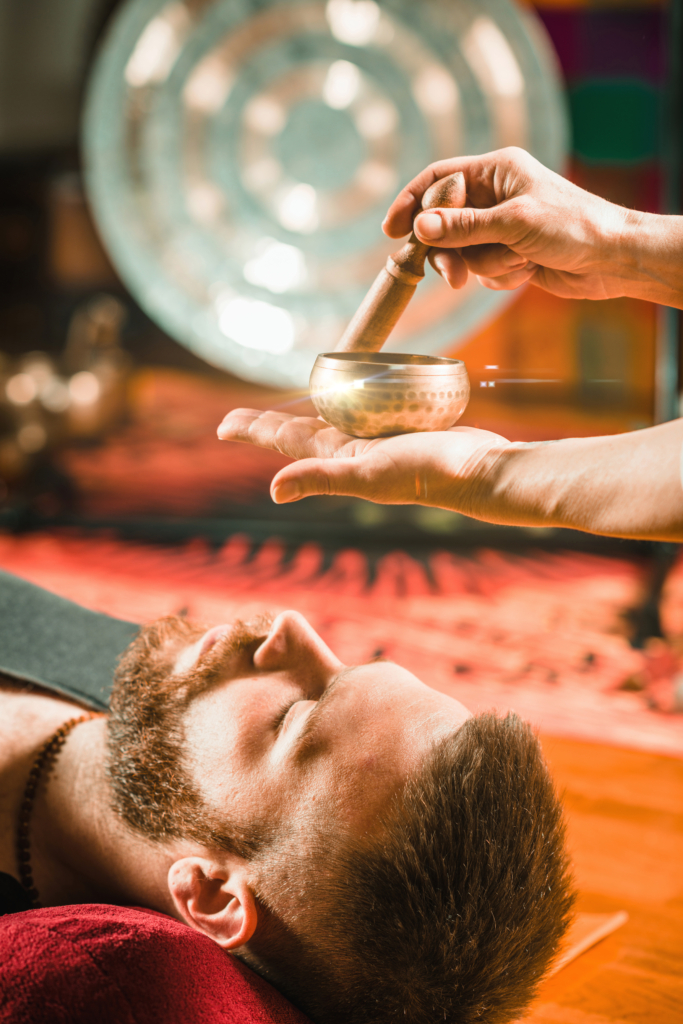
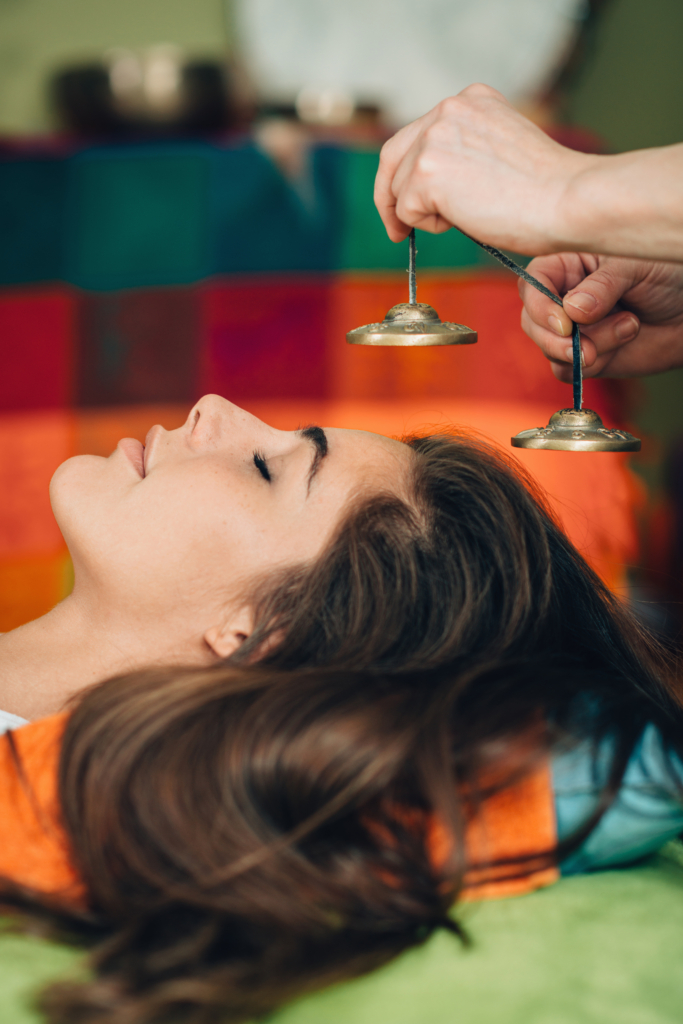
During a session, practitioners use various instruments such as Tibetan singing bowls, crystal bowls, gongs, tuning forks, and even the human voice. These instruments create therapeutic sound waves that wash over you. It is an ancient practice with roots in cultures ranging from Aboriginal Australians to Tibetan monks, now refined with modern understanding to help you return to a state of optimal vibration and balance.
How Sound Healing Works
Sound healing works through a concept called resonance. Every cell and organ in your body has a healthy resonant frequency. When stress or illness occurs, these frequencies can become disrupted. Sound healing introduces steady, harmonious vibrations that allow your body to “retune” itself, much like tuning a piano that has gone off-pitch. Because the human body is made up of approximately 70% water—an excellent conductor of sound—these vibrations travel deep into your tissues.
Additionally, sound healing influences your brainwaves through a process called entrainment. The rhythmic sounds guide your brain from an active, alert state (beta waves) into slower, more relaxed states (alpha and theta waves). These are the same states achieved during deep meditation or right before sleep. In this relaxed state, your breathing slows, your heart rate drops, and your body activates its natural healing mechanisms, moving out of “fight or flight” and into “rest and repair.”
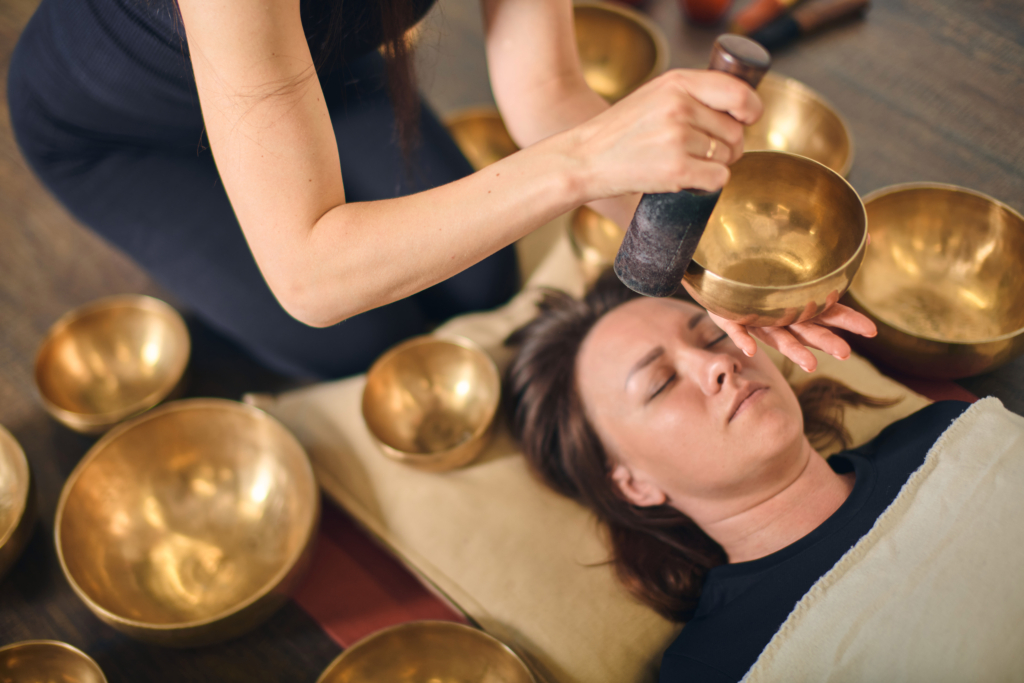
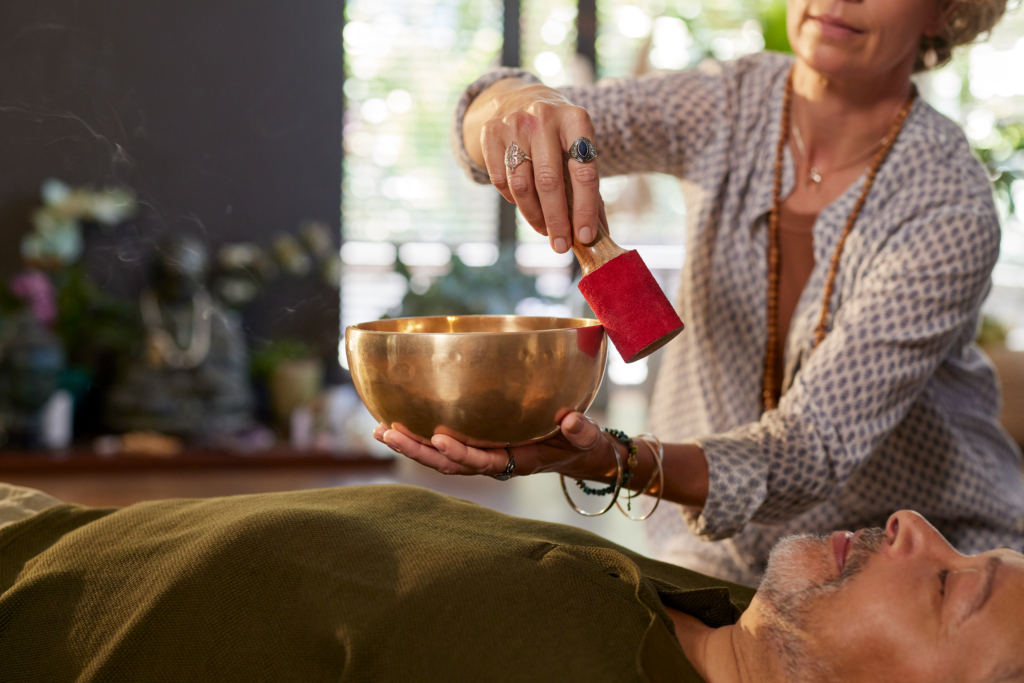
Benefits of Sound Healing
The benefits of sound healing are diverse, often felt immediately during the session and lasting for days afterwards. By calming the nervous system, it creates a cascade of positive effects for your physical and emotional health.
- Mental Clarity: The meditative state achieved clears brain fog, leaving you feeling sharper and more focused.
- Deep Relaxation: It quickly shifts the body out of stress mode, lowering cortisol levels and promoting profound peace.
- Pain Relief: Many clients report a reduction in chronic pain and tension headaches as the vibrations help relax tight muscles.
- Improved Sleep: By calming the mind, sound healing often leads to deeper, more restorative sleep patterns.
Emotional Balance: The vibrations can help release stuck emotions, helping to clear anxiety and lift your mood.
What to Expect in a Sound Healing Session
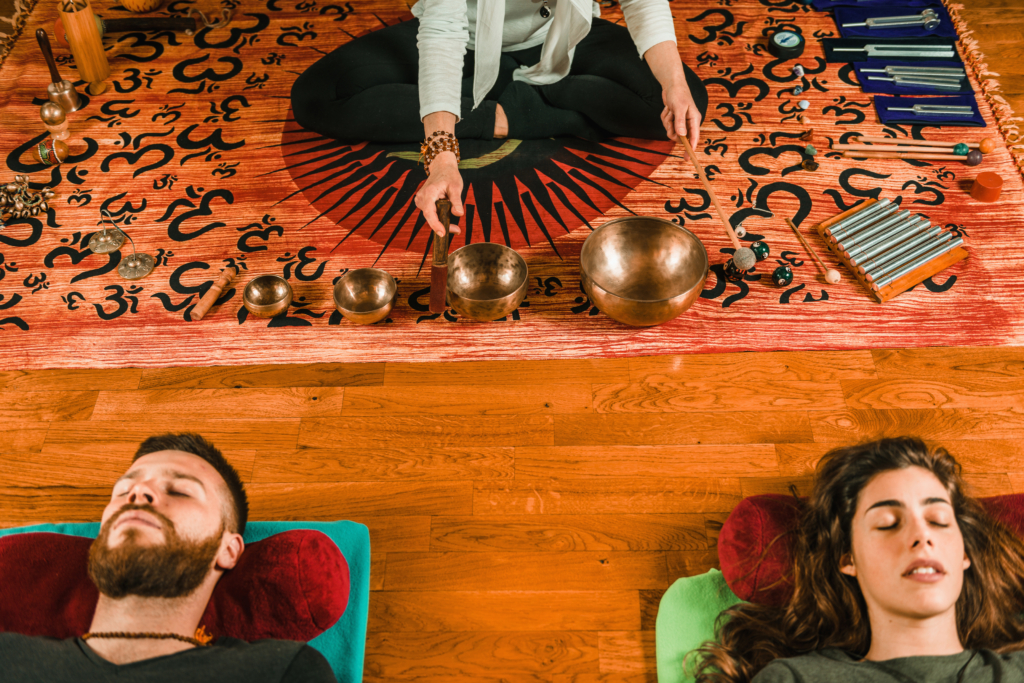
A sound healing session, often called a “sound bath,” is a deeply passive and relaxing experience. You will typically lie down comfortably on a yoga mat or massage table, supported by blankets and pillows to ensure you are warm and cosy. The lighting is usually dimmed to help you turn your attention inward. Once settled, the practitioner will begin playing instruments like singing bowls or gongs.
You do not need to do anything other than breathe and listen. You will feel the sounds as much as you hear them—waves of vibration washing over you. Sensations vary from person to person; you might feel tingling, warmth, or a sense of heaviness as you relax. Some people see colours or dreamlike images, while others simply drift into a restorative nap. The session usually concludes with a period of silence to let the effects settle before you slowly sit up.
How Often Should You Have Sound Healing Sessions?
There is no strict rule for frequency, as it depends on your personal needs. Like meditation or yoga, consistency often yields the best results. For general wellbeing and stress management, a session once a month is a wonderful way to “reset” your nervous system and maintain balance.
If you are navigating a particularly stressful period, recovering from illness, or dealing with emotional trauma, you might benefit from weekly sessions for a short time to provide extra support. Many people also enjoy attending group sound baths as a fortnightly self-care ritual. Ultimately, listen to your body. You will likely start to recognise when you are feeling “out of tune” or scattered, which is your gentle cue that it is time to book another session to realign your energy.
Choosing a Sound Healing Practitioner
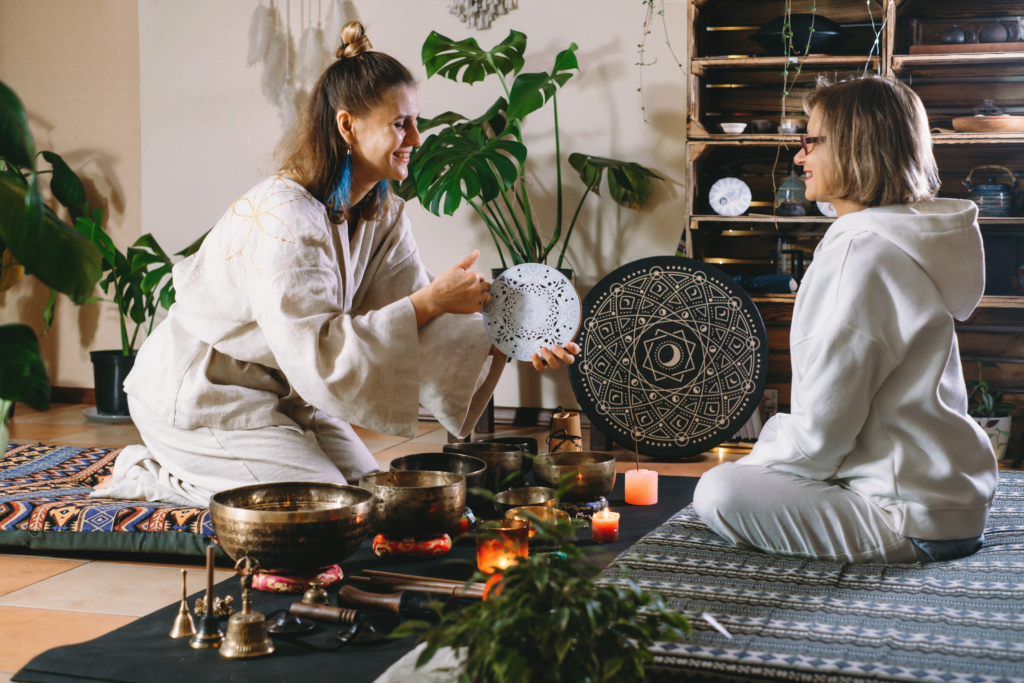
Finding the right practitioner is key to a positive experience. While sound healing is generally unregulated, look for someone who has completed formal training and certification in sound therapy. A qualified practitioner understands the science of sound and how to use instruments safely and effectively.
Trust your intuition when choosing. Look at their website or social media to see if their vibe resonates with you. A good practitioner will create a safe, welcoming container for your healing. They should be happy to answer your questions about their methods and experience. You might also consider the type of instruments they use; some people prefer the crystal bowls, while others resonate more with the deep, earthy tones of the didgeridoo or gongs. Feel free to contact them beforehand to ensure their approach aligns with what you are looking for.
Is Sound Healing Recommended for Everyone?
Sound healing is generally safe and beneficial for most people, offering a non-invasive way to relax. However, there are a few precautions to consider. Because sound involves vibration, it may not be suitable for people with sound-induced epilepsy.
If you have metal implants (like a pacemaker) or have recently had surgery, you should consult your doctor and inform the practitioner, as strong vibrations might be uncomfortable or contraindicated. Pregnant women, particularly in the first trimester, should also check with their healthcare provider and let the sound healer know, as some instruments and intensities might need to be modified. For those with severe mental health conditions, sound healing should be used as a support alongside, not a replacement for, professional psychiatric care.
Is Sound Healing Right for You?
If you are looking for a way to switch off your busy mind and access deep relaxation without needing to learn complex techniques, sound healing is likely a perfect fit. It is especially wonderful for those who find traditional silent meditation difficult, as the sound gives your mind a focus point.
Ask yourself if you feel the need to slow down and reconnect with yourself. Are you carrying tension that you cannot seem to shake? Are you curious about exploring a different side of wellness? If the idea of lying down and being bathed in soothing vibrations sounds appealing, then it is definitely worth trying.