The Gentle Touch That’s Making Waves
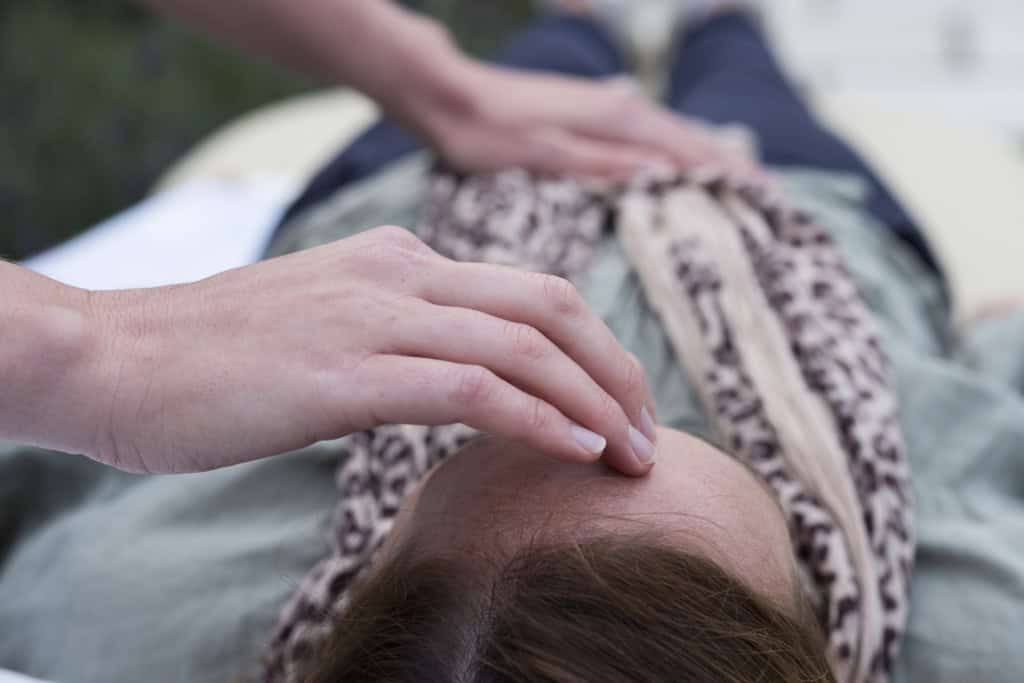
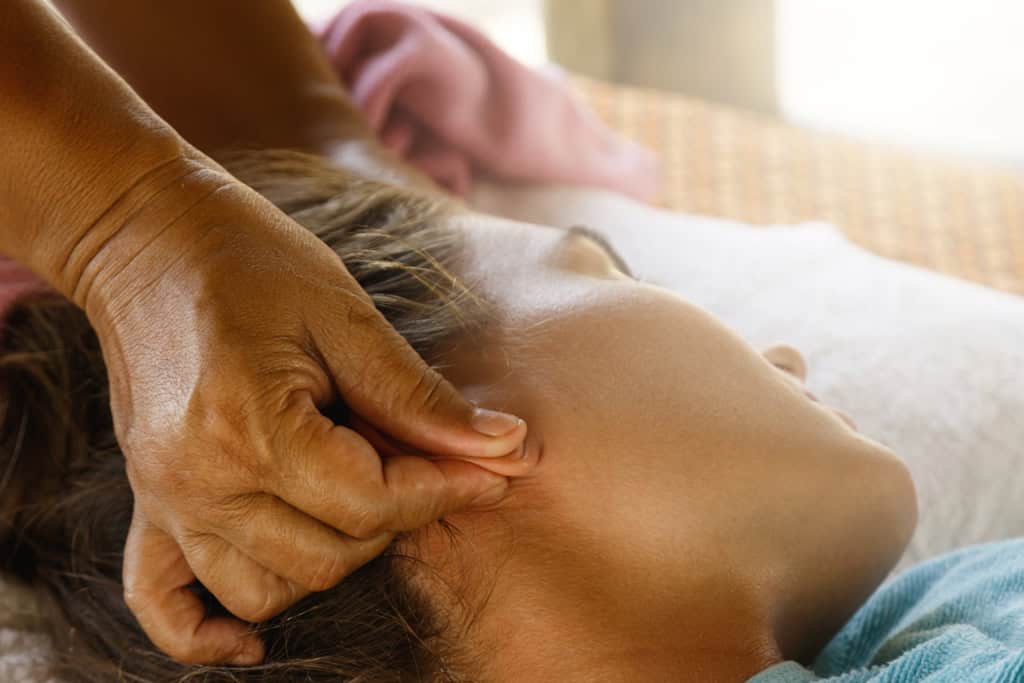
You might have heard of a therapy so gentle that the practitioner barely seems to be moving their hands, yet patients claim it melts away migraines, heals birth trauma, and calms the deepest anxiety.
It’s called Craniosacral Therapy (CST). But with such subtle movements, it is natural to wonder: Is it actually doing anything? Is it safe for my baby? And how does it work?
Here is your straightforward guide to understanding this unique bodywork.
Why Is It Called “Craniosacral”?
The name is quite literal. It comes from the two ends of the spinal cord:
- Cranio: Referring to the Cranium (skull/head).
- Sacral: Referring to the Sacrum (the triangular bone at the base of your spine, or “tailbone”).
The theory is that a fluid (cerebrospinal fluid) pulses rhythmically between your head and your tailbone. Practitioners believe they can feel this subtle rhythm and use tiny adjustments to clear blockages within that system.
What Is CST Used For?
While they sound similar and both look at the sky, they are fundamentally different fields.
Because it focuses on the central nervous system, CST is used for conditions linked to stress, tension, and structural imbalances. Common reasons people seek it out include:
- Chronic migraines and headaches
- Neck and back pain
- TMJ (jaw pain)
- Fibromyalgia
- Post-Traumatic Stress Disorder (PTSD) and emotional trauma
- Chronic fatigue
The Big Question: Is It Real or Fake?
This is the most common question. The answer depends on who you ask.
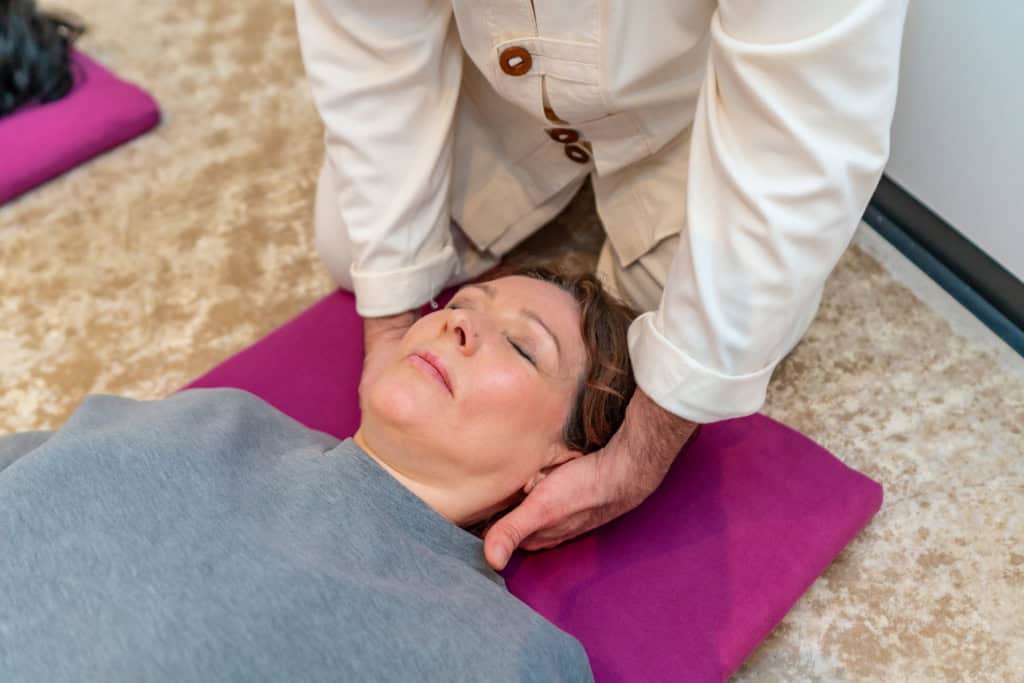
- The Scientific View: Medical science is skeptical. Studies have not consistently proven the existence of a “craniosacral rhythm” that can be manipulated by hand. Many doctors view it as a placebo effect or simply the benefit of relaxation.
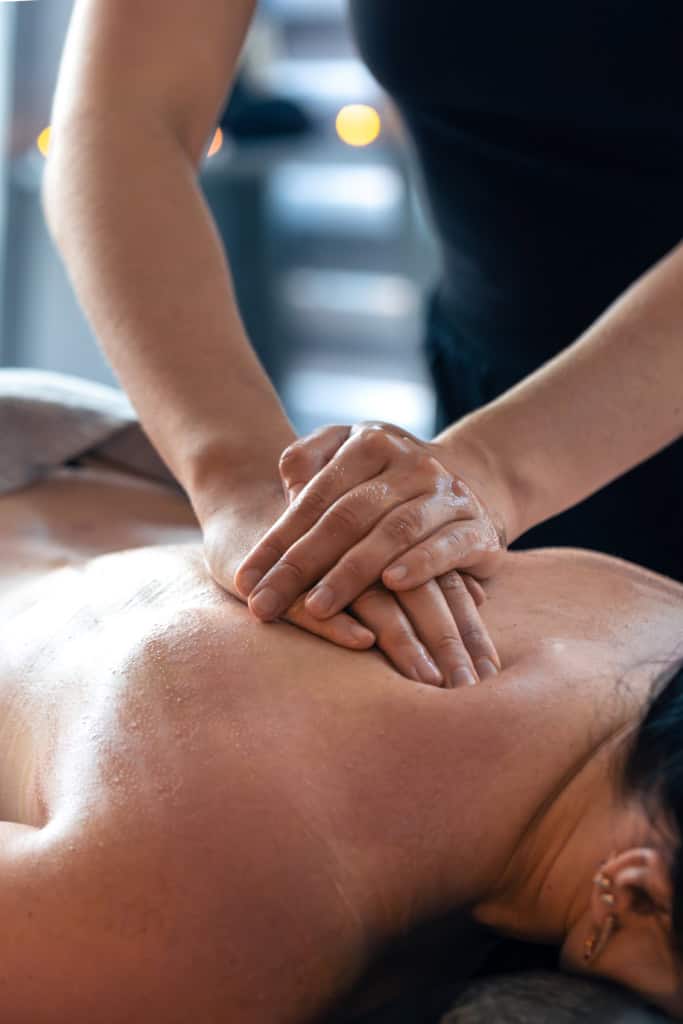
- The Patient View: Thousands of people swear by it. Patients often report profound relaxation, pain relief, and emotional release that they haven’t found with standard massage or medicine.
- The Verdict: It is best viewed as a complementary therapy. While the biological mechanism is debated, the results, lowered stress and pain relief, are very real for many.
Craniosacral Therapy for Kids & Babies
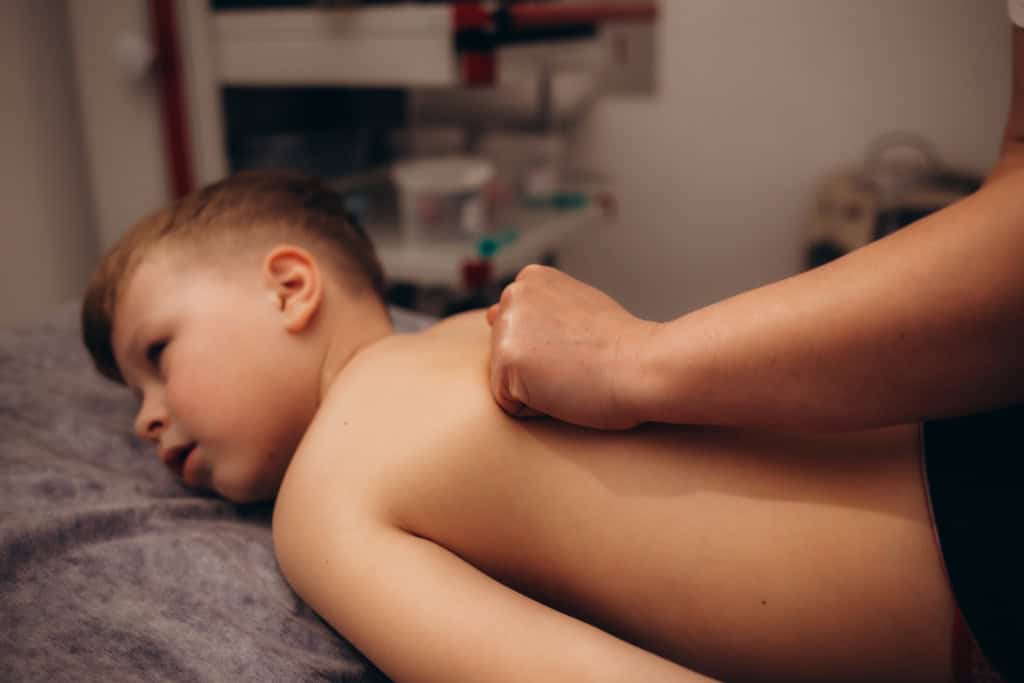
CST is incredibly popular for infants, largely because birth is physically traumatic for a baby’s skull and spine.
Is it safe for children? Yes, generally. Because the pressure used is often described as “the weight of a nickel” (about 5 grams), it is considered very safe and non-invasive for infants and children.
How do I know if my baby needs it?
Parents often turn to CST if their baby:
- Has difficulty latching or sucking (breastfeeding issues).
- Favors turning their head to only one side (Torticollis).
- Suffers from severe colic or reflux.
- Seems inconsolable or overly sensitive to touch.
- Had a difficult birth (forceps, vacuum extraction, or very long labor).
Can CST Help With Autism?
It is important to be clear: CST does not cure autism. Autism is a neurotype, not a disease.
However, many parents of autistic children find CST helpful for symptom management. Because CST focuses on calming the central nervous system, it can help reduce:
- Sensory overload and “fight or flight” responses.
- Sleep disturbances.
- Anxiety and hyperactivity.
Are There Any Risks?
While low-risk, CST involves manipulating the head and neck. It should not be performed on anyone who has:
- A recent skull fracture or severe head injury.
- A cerebral aneurysm or history of brain bleeds.
- Herniation of the medulla oblongata (a specific brain stem issue).
Always consult your pediatrician or doctor before starting a new therapy.
Aftercare: What NOT To Do
After a session, your body may be in a state of deep relaxation and recalibration.
- Do drink plenty of water and rest.
- Don’t do a heavy workout or strenuous exercise immediately after.
- Don’t drink alcohol; your system is flushing out toxins and needs hydration.
- Don’t ignore your emotions. It is common to feel “emotional” or tired as tension releases.