How Acupuncture Rewires Your Body to Fight Persistent Pain

If you’re living with persistent pain, whether it’s a nagging backache, debilitating migraines, or arthritis that’s curbing your lifestyle, you’ve likely explored every aisle of the chemist. While conventional treatments have their place, more people are turning to acupuncture, a time-tested therapy now backed by modern clinical research.
Far from just “sticking needles in skin,” acupuncture is a sophisticated biological intervention that communicates directly with your nervous system to provide relief for both acute and chronic conditions.
How Acupuncture Actually Works
While traditional practitioners speak of balancing “Qi” (energy) along meridian pathways, modern science explains acupuncture through several key physiological mechanisms.
- The Endorphin Boost Needle insertion triggers the release of endorphins, which are the body’s natural painkillers. These chemicals can be more potent than pharmaceutical options without the groggy side effects.
- Turning Down the Volume Through neural modulation, acupuncture influences how the brain and spinal cord process pain signals. It essentially recalibrates your pain threshold.
- Reduced Inflammation Studies show acupuncture decreases inflammatory markers, addressing the root cause of many joint and muscular issues.
- Improved Circulation By increasing blood flow to affected areas, acupuncture delivers fresh oxygen and nutrients while flushing out metabolic waste that contributes to stiffness.
Conditions That Respond Best
Acupuncture has moved from “alternative” to “essential” in many pain management plans. Here is where it excels.
- Back and Neck Pain It is one of the most researched areas for the therapy. Most people see significant improvement in mobility and pain intensity within 6 to 10 sessions.
- Migraines and Headaches Beyond treating an active headache, regular sessions help prevent future attacks by addressing underlying triggers like stress and muscle tension.
- Osteoarthritis Especially for the knees and hips, acupuncture helps reduce joint stiffness and improves physical function.
- Sports Injuries From tennis elbow to hamstring strains, acupuncture speeds up healing time and releases deep muscle “knots” (trigger points).
What to Expect During the Treatment Journey
Acupuncture is a process, not a “one-and-done” miracle. Your journey usually depends on the nature of your pain.
| Pain Type | Typical Recovery Timeline |
| Acute (Recent injury) | Relief often begins in 1 to 3 sessions; full resolution in 4 to 6. |
| Chronic (3+ months) | Subtle changes after 2 to 4 sessions; major results after 8 to 12. |
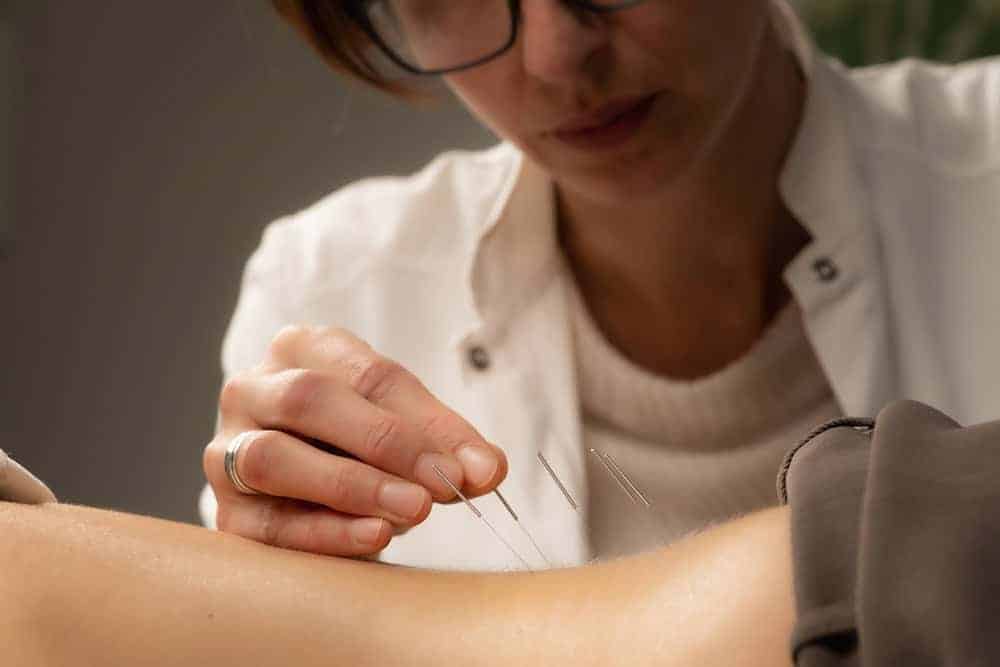
During your first session, a practitioner will assess your lifestyle, posture, and pain history. The needles are hair-thin, and while you might feel a slight dull ache or a “heavy” sensation, the experience is generally deeply relaxing.
Maximising Your Results
Acupuncture works exceptionally well as a “team player.” It can be safely combined with physiotherapy, massage, or chiropractic care. To get the best out of your sessions, keep these tips in mind.
- Be Consistent Your nervous system needs regular input to create lasting change.
- Stay Hydrated Water helps flush out the inflammatory substances released during treatment.
- Find a Pro Look for practitioners registered with professional bodies like AHPRA or AACMA to ensure evidence-based care.
The Bottom Line
Living with pain doesn’t have to be your “normal.” Whether you want to reduce your reliance on medication or simply get back to the activities you love, acupuncture offers a safe, scientifically supported path forward. Want to find your acupuncturist? Click here