Stepping Onto the Mat The Best Yoga Exercises for Complete Beginners
You see the perfectly curated social media feeds of people bending into human pretzels. It is easy to think yoga is only for former gymnasts or naturally flexible people. If you have ever felt too stiff, too old, or too uncoordinated to try yoga, you are not alone.
The reality is much more grounded. Yoga is not about touching your toes. It is about what you learn on the way down. If you are looking to build strength, reduce stress, and reverse the physical toll of sitting at a desk all day, here is the honest truth about where to begin your yoga journey.
The Absolute Best Yoga Exercise for Beginners
When people ask for the ultimate “best” yoga exercise to start with, they usually expect a complicated stretch. However, the best pose for any beginner is actually Child’s Pose (Balasana).
Why is it the best? Because it teaches you the most important lesson in yoga, which is learning how to listen to your body and rest when you need to.
How to do it Kneel on your mat, bring your big toes together, and spread your knees slightly wider than your hips. Slowly walk your hands forward until your forehead rests comfortably on the ground. Relax your shoulders and take deep breaths into your lower back. Whenever you feel overwhelmed in a class or stressed at home, this is the pose you return to.
Five Foundational Poses to Build Your Confidence
If you want to build a solid physical foundation before stepping into a studio or following an online routine, these five poses offer the best value for your time. They target the areas of the body most affected by modern, sedentary lifestyles.
- Mountain Pose (Tadasana) It looks like you are just standing still, but it is actually a highly active pose. You plant your feet firmly, engage your core muscles, tuck your tailbone slightly, and lengthen your spine. It teaches you balance, focus, and proper posture.
- Cat and Cow Pose (Marjaryasana to Bitilasana) This is a gentle flow between two poses done on your hands and knees. You arch your back up toward the ceiling like a cat, then dip your belly down toward the floor like a cow. It is the absolute best way to warm up a stiff spine and relieve lower back tension.
- Downward Facing Dog (Adho Mukha Svanasana) This is the classic inverted “V” shape. It builds incredible strength in your arms and shoulders while stretching your hamstrings and calves. Pro tip If your hamstrings are tight, simply bend your knees. Having a straight spine is much more important than having straight legs.
- Warrior II (Virabhadrasana II) This is a powerful standing pose. You take a wide stance, bend your front knee to a 90-degree angle, and extend your arms out to the sides. It builds stamina in your legs and core while opening up tight hips and chest muscles.
- Corpse Pose (Savasana) This is always the final resting pose of any class. You simply lie flat on your back, close your eyes, and let your body absorb the physical benefits of the practice. It sounds easy, but lying completely still and quietening the mind can actually be the most challenging part for beginners.
Finding Your Flow Which Style Is Right for You
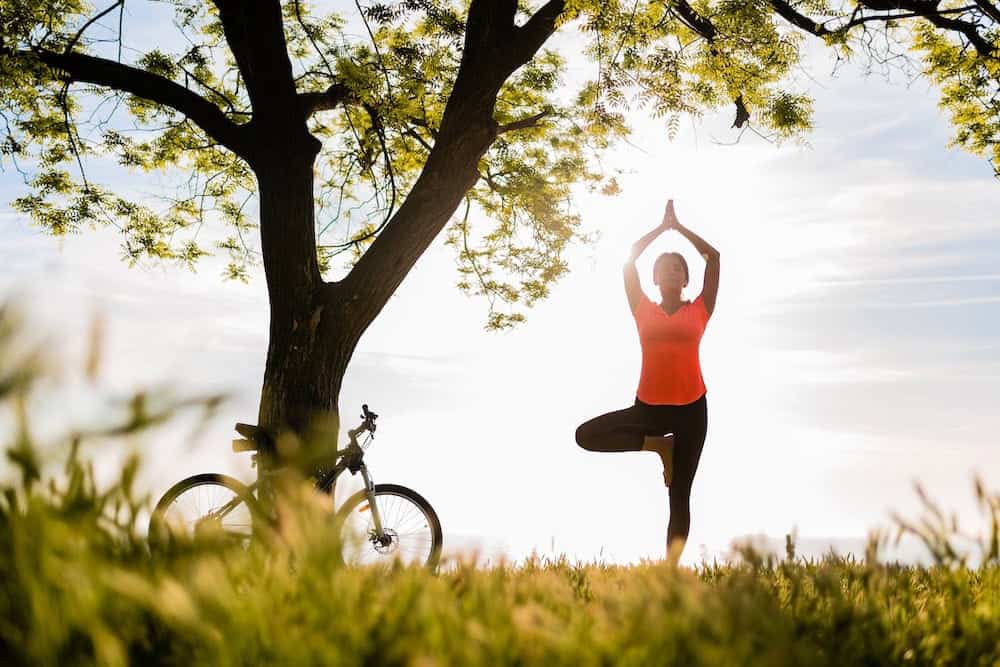
Not all yoga is created equal. Walking into the wrong style of class can leave you feeling frustrated. Here is a quick guide to help you choose the best beginner friendly class.
| Yoga Style | What It Is | Best For |
| Hatha | A slower paced class focused on learning basic poses and proper alignment. | Absolute beginners wanting to learn the foundations safely. |
| Yin | A deeply relaxing practice where seated poses are held for 3 to 5 minutes to stretch connective tissues. | Releasing deep joint tension and calming a highly stressed nervous system. |
| Vinyasa | A dynamic, flowing class where movement is linked directly to your breath. It keeps your heart rate up. | Beginners who want a bit of a workout and already have a basic grasp of the poses. |
The Secret Ingredient Learning How to Breathe
You can memorize every pose in the book, but without the breath, you are just doing gymnastics. In yoga, the breath is the anchor that keeps your nervous system calm when your muscles start to shake.
Before you even attempt a pose, practice Belly Breathing. Place one hand on your stomach. Inhale deeply through your nose so your belly expands like a balloon pushing into your hand. Exhale slowly through your nose, letting your belly deflate. This simple technique signals to your brain that you are safe, allowing your muscles to relax and stretch further.
What to Expect in Your First Studio Class
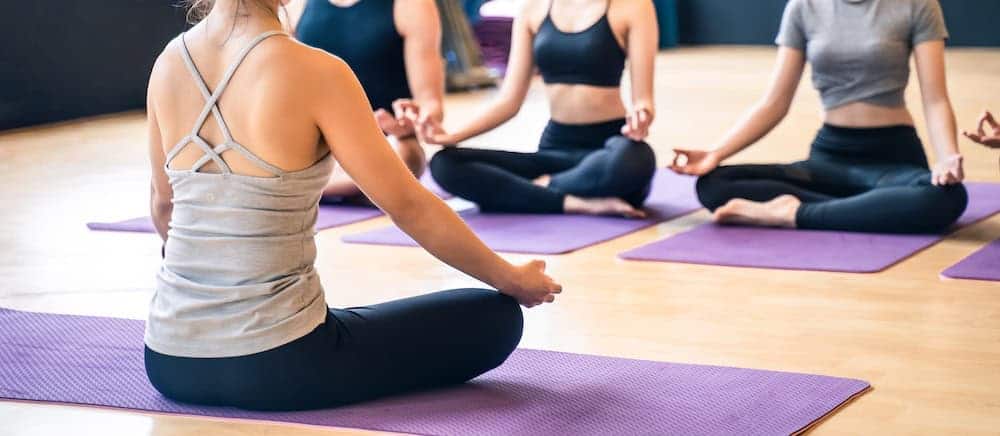
Stepping into a studio for the first time can feel intimidating. Here is what you actually need to know to feel comfortable and prepared.
- You do not need to be flexible Flexibility is a result of yoga, not a prerequisite. Saying you are too stiff for yoga is like saying you are too dirty to take a shower.
- Breathing is the main goal If you lose your balance or cannot reach a certain shape, just focus on taking deep, even breaths. If you are breathing, you are doing yoga.
- Props are your best friends Blocks, straps, and bolsters are not signs of weakness. They are smart tools used by beginners and advanced practitioners alike to bring the floor closer to you and support proper joint alignment.
How Often Should You Practise
Consistency beats intensity every single time.
You do not need to commit to a gruelling 90-minute class every day to see results. Rolling out your mat for just 15 minutes of gentle stretching three times a week will do wonders for your nervous system and joint mobility. As you build confidence and strength, you can gradually increase the length and frequency of your sessions.
Key Takeaways
- Child’s Pose is the ultimate beginner exercise because it teaches you how to rest and listen to your body.
- You do not need to be flexible to start a yoga practice.
- Foundational poses like Mountain Pose and Downward Dog build the strength and alignment needed for more advanced movements.
- Understanding different styles like Hatha and Yin helps you choose the right class for your goals.
- Using props like blocks and straps is highly encouraged to keep your body safe and comfortable.
- Consistency is much more important than the length or difficulty of your daily sessions.
Final Thoughts
Starting yoga is simply about showing up for yourself. It is a personal practice, meaning you are never competing with the person on the mat next to you. Whether you are seeking relief from a stiff lower back, a way to calm a racing mind, or just a new way to move your body, You can start here by looking for yoga practitioners that meets you exactly where you are.